THE SCALE
It runs backwards
The ancient scale gave the brightest stars magnitude 1 and the faintest magnitude 6. Today the brighter an object appears, the lower its magnitude, so the brightest go negative.
See the numbers doodlebright
HOW STAR BRIGHTNESS IS MEASURED
Astronomers count brightness backwards.
Check your sky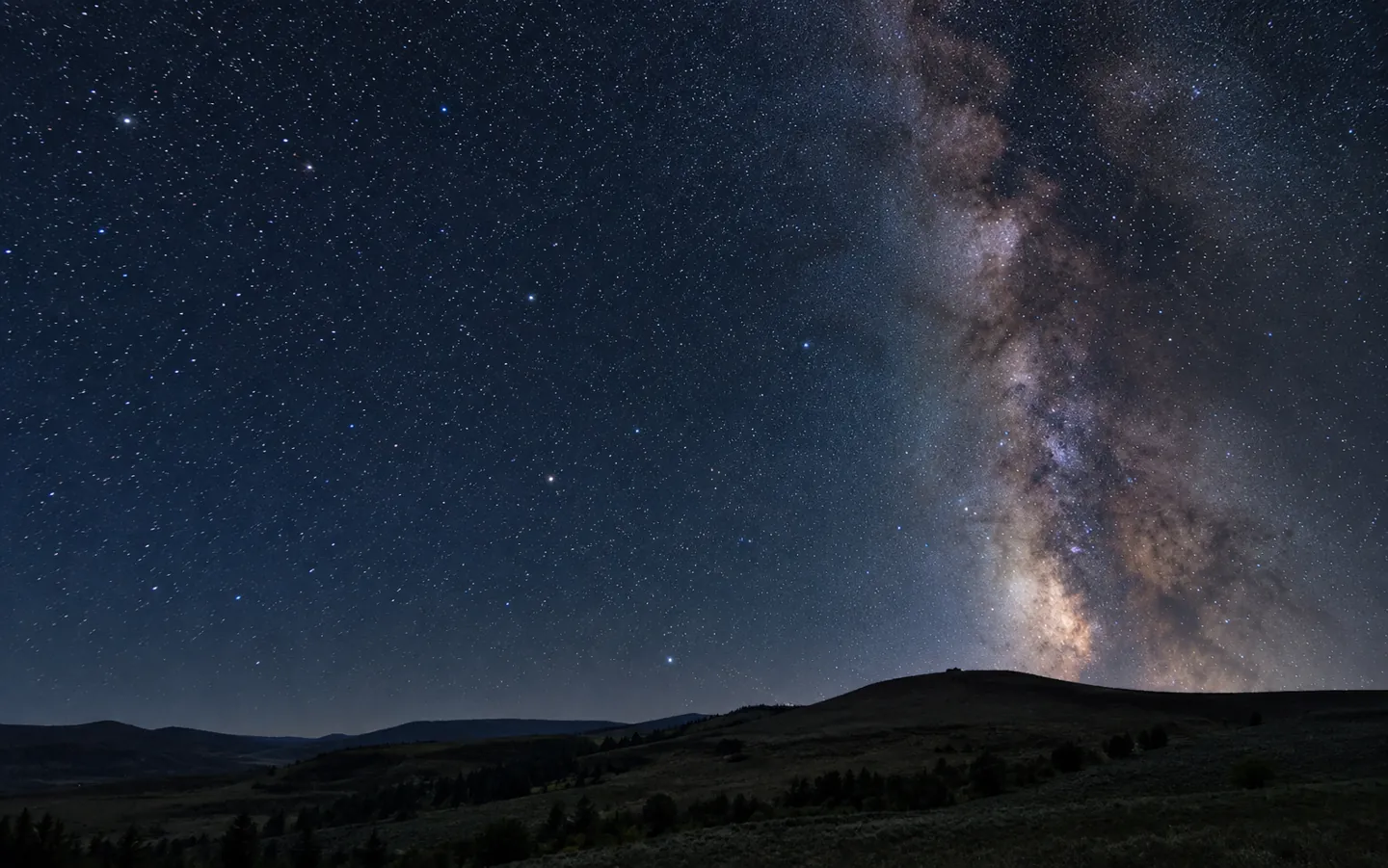
MAG 6the naked-eye limit
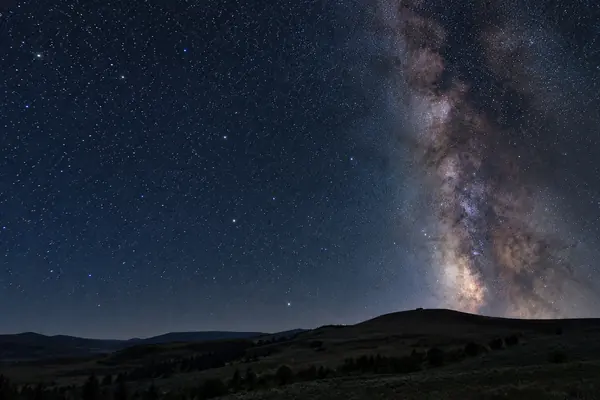
The magnitude scale began as a simple 1 to 6 ranking of the stars over two thousand years ago. Today it runs from the Sun at -26.7 to the faintest things Hubble can detect, at about +30.
At a glance
100× brighter
Brightness across 5 magnitudes
A difference of 5 magnitudes is defined as exactly 100 times in brightness, so one magnitude is about 2.5 times. Venus and Sirius differ by about 3 magnitudes: Venus looks about 15 times brighter.
THE SCALE · AAVSO
61%
Could see 10 or fewer stars in Orion
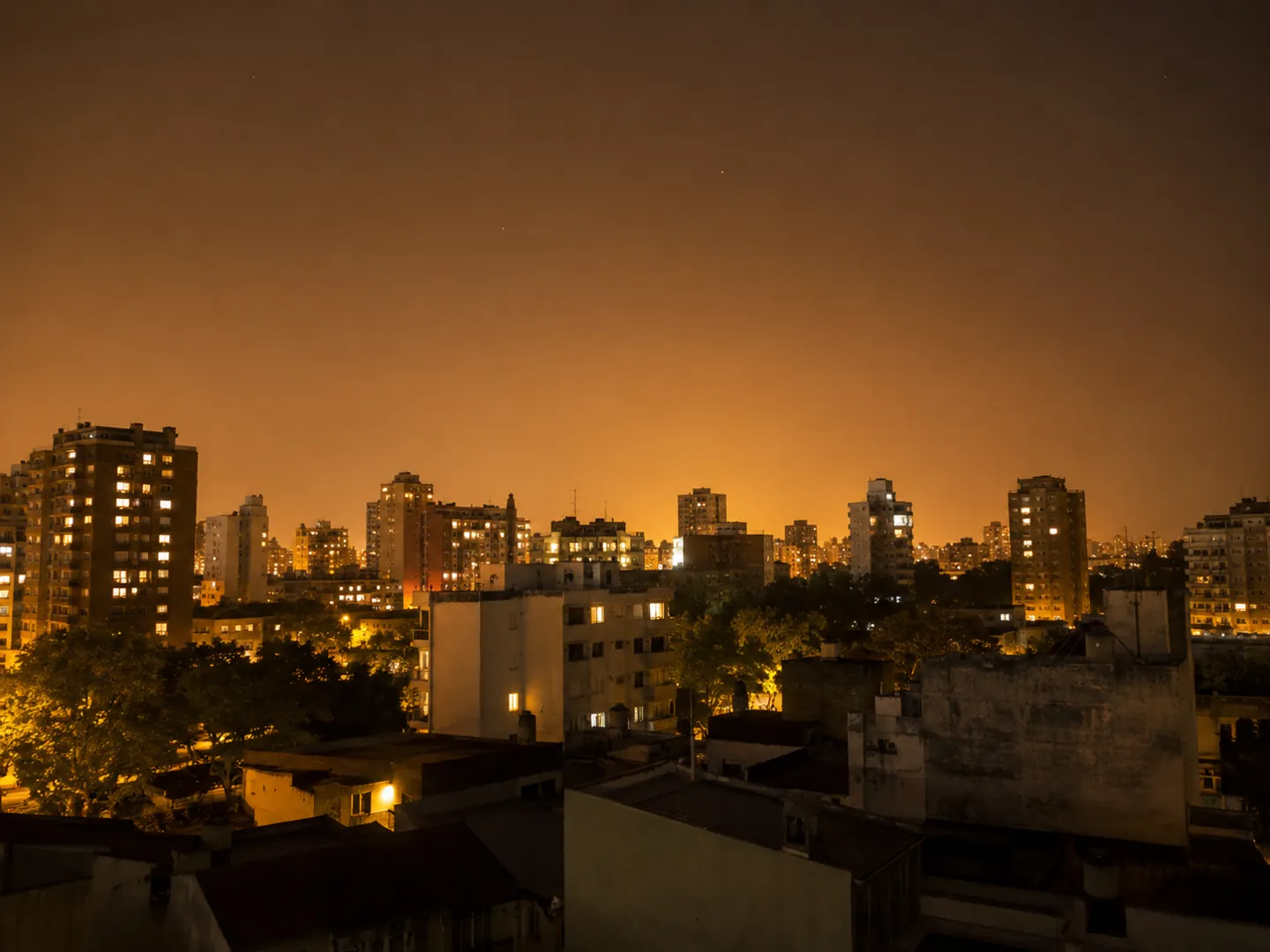
In CPRE's 2020 Star Count, 61% of about 2,500 people could see no more than ten stars within Orion, a sign of severe light pollution and the highest figure since the counts began.
STAR COUNT 2020 · CPRE
TWO NUMBERS WORTH KNOWING
One figure from the scale itself,
one from Britain's own star count.
The picture has since improved a little: the British Astronomical Association reports that in CPRE's 2022 count, 49% of participants recorded severe light pollution, down from the 2020 peak.
A QUICK SKY CHECK
Pick where you are looking from. The value is the faintest magnitude you can expect to reach; the bar shows how deep into the sky that takes you.
Typical figures for people with normal eyesight on a clear night. Your own limit depends on your eyes, the Moon and the weather.
THE SHORT ANSWER
The scale looks odd at first.
Three ideas make it click.
THE SCALE
The ancient scale gave the brightest stars magnitude 1 and the faintest magnitude 6. Today the brighter an object appears, the lower its magnitude, so the brightest go negative.
See the numbersTHE SKY
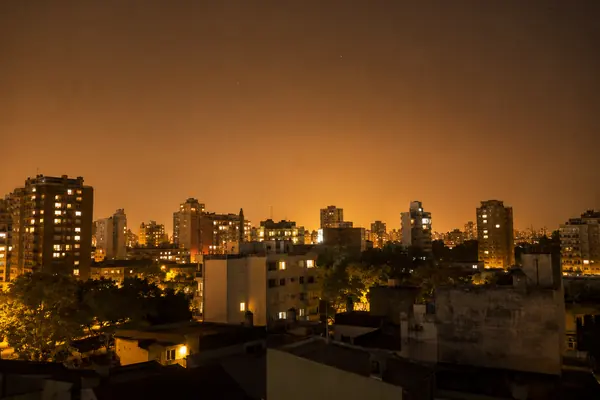
In an urban neighbourhood the naked-eye limit is about magnitude 3.0. At a dark, moonless site most people with normal eyesight reach magnitude 6.
Check your skyYOUR EYES
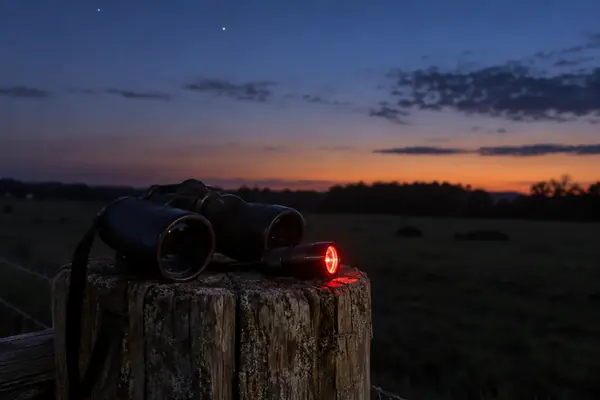
Your pupils widen in a few minutes, but eye sensitivity can take up to 20 minutes to build. White light spoils it; red light leaves it largely intact.
How to look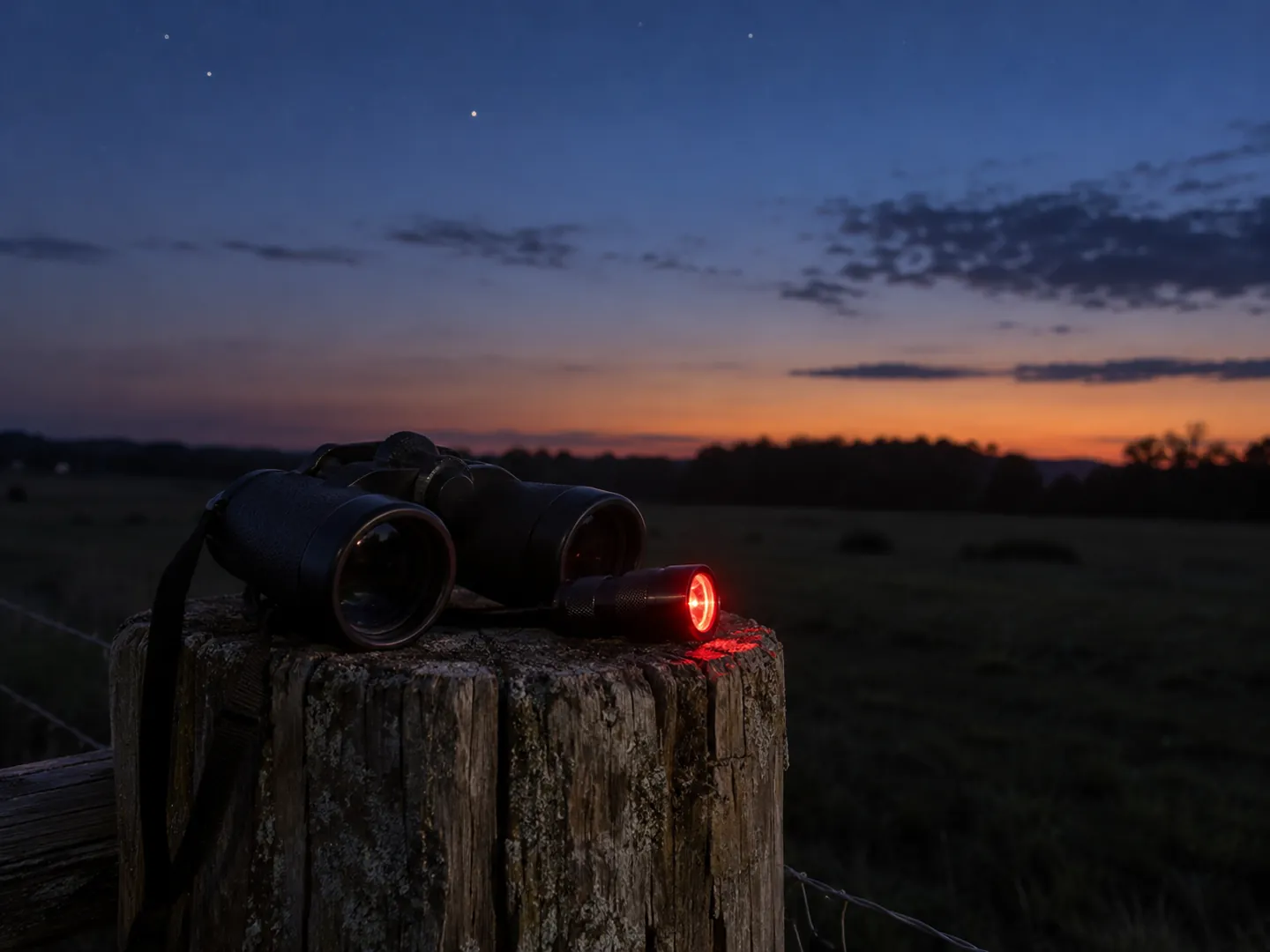
FOUR STEPS FOR TONIGHT
Nothing here needs special kit. A clear night, a little patience and a darker spot do most of the work.
Choose a dark site and make sure the Moon is not up. That is where most people with normal eyesight reach magnitude 6.
Let your eyes adapt. Sensitivity can take up to 20 minutes to reach its full potential.
White light quickly spoils your night vision. Use a red torch, or the red-light setting on a star app.
In winter, count the stars you can see inside Orion's main shape. Ten or fewer means severe light pollution by CPRE's measure; 30 or more means truly dark skies.
APPARENT AND ABSOLUTE
Apparent magnitude only says how bright something looks from Earth. Venus outshines every star in our sky, yet it is far less luminous than any of them: it is just very close.
To compare true brightness, astronomers use absolute magnitude: how bright an object would look from 10 parsecs away. From there, our Sun would shine at only +4.7, about as bright as Jupiter's moon Ganymede looks to us.
Questions
The scale started as a ranking: the brightest stars were first magnitude and the faintest sixth. Astronomers kept that order when they made the scale precise, so the brightest objects now have negative numbers.
Sirius, at magnitude -1.46. The next brightest are Canopus at -0.72 and Alpha Centauri, which looks like one star to the eye, at -0.3. The Sun, at -26.74, is far brighter than any of them.
Roughly 9,000 stars are brighter than magnitude 6, the usual naked-eye limit from a dark site. Only about 2,000 are above the horizon and visible at any one time.
In the 1850s astronomers chose the bright star Vega as the reference point, giving it magnitude 0.0. Fainter stars have positive magnitudes and the handful of brighter ones are negative.
In the dark your eyes slowly become more sensitive, which can take up to 20 minutes. White light quickly undoes this, while red light leaves your night vision relatively intact.
Sources
ABOUT THIS NAME
It is not open for bids or leasing right now. Browse the catalogue for names you can bid on or lease today.